
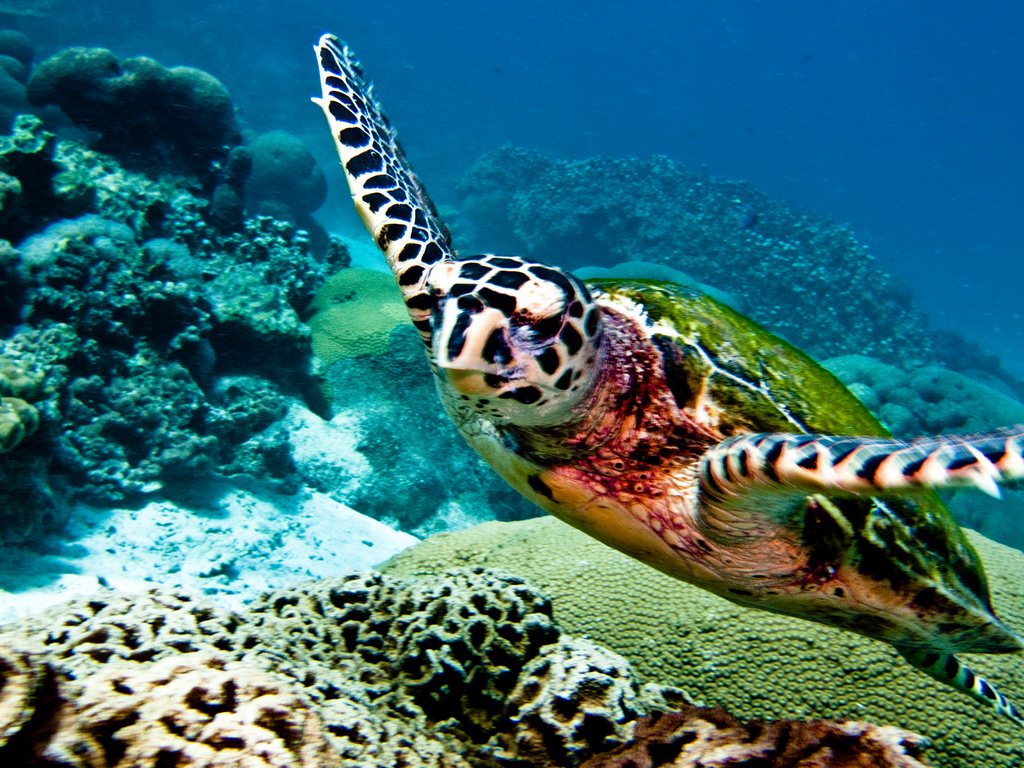
Phi Phi diving is easy to start and hard to run out of. The nearest dive sites are about 20 minutes by boat from Phi Phi Don, a first-timer can begin with a Discover Scuba session in a single morning, and the same reefs hold leopard sharks, hawksbill turtles and walls that drop to roughly 28 m. This guide covers the best dive sites, what the season changes, what schools charge and how to book a first dive without losing a day.
It draws on Scuba Diver Life, the PADI blog, the price list of Blue View Divers, The Adventure Club‘s PADI listing and a live GetYourGuide listing that we checked on 26 October 2026. Prices change by date and by school, so treat the figures as a guide and confirm them before you pay.
- Boat to the sites
- About 20 min
- First dive
- Discover Scuba, 12 m max
- Discover Scuba
- ฿3,800 at one school
- Open Water course
- 2 to 3 days
- Best months
- February to April
- Park fee
- Extra, ฿600 quoted
Is Phi Phi good for scuba diving?
Yes. Phi Phi diving suits first dives and divers who want sharks and turtles. Sites such as Bida Nok and Phi Phi Shark Point are close to Phi Phi Don, and schools run two trips a day. Visibility drops in the monsoon, and the deepest sites need advanced certification.
Phi Phi Diving at a Glance: Sites, Season and Costs
Phi Phi diving centres on the two Bida islands, the walls around Phi Phi Leh and a few pinnacles and wrecks within an hour or two of the pier. Scuba Diver Life lists more than ten sites around the islands, from shallow reefs at 5 m to walls and a wreck near 30 m. Phi Phi diving gives you a useful mix: gentle first dives, shark-spotting pinnacles and a handful of sites for advanced divers.
| What | Detail | Source |
|---|---|---|
| Beginner trip | 2 dives, 12 m maximum, about 5 hours | GetYourGuide listing |
| Fun dives, certified divers | 2 dives for ฿2,800 | Blue View price list |
| Open Water course | 2 to 3 days, from ฿13,500 | Blue View, The Adventure Club |
| Best months | February to April | Scuba Diver Life |
| Water temperature | About 27 to 30 °C | Scuba Diver Life |
| Park fee | Paid on top, ฿600 or about US$24 | GetYourGuide, The Adventure Club |
Who Phi Phi Diving Suits
- First-timers who want a supervised dive in warm, shallow water.
- Certified divers who want easy boat dives and a good chance of leopard sharks.
- Course students, since schools sit within a few minutes of Ton Sai Pier.
- Advanced divers, who can add the wreck and the offshore pinnacles to a longer stay.
If you would rather stay at the surface, our guide to snorkeling in Phi Phi compares the best spots and tours.
Best Phi Phi Diving Sites: Bida Nok, Bida Nai, Shark Point and More
Most Phi Phi diving happens on a handful of sites that boats reach in 15 to 30 minutes. The table lists the ones that Scuba Diver Life describes in most detail. Depths are the figures it gives, and your school will brief the exact plan for the day.
| Site | Depth | What you may see | Level |
|---|---|---|---|
| Bida Nok | Wall to 28 m | Trevally and snapper schools, stingrays, octopus, occasional leopard and blacktip reef sharks on the sand | All levels |
| Bida Nai | Boulders and swim-throughs | Hawksbill turtles, lionfish, sea whips and sea fans on the north wall | A little more challenging |
| Hin Bida (Phi Phi Shark Point) | 15 to 20 m | Five pinnacles on a sand bottom, leopard sharks in the shallows, clownfish in anemones | All levels |
| Maya Wall | About 30 m | A wall outside Maya Bay, blacktip reef sharks near 10 m at the north end | Advanced for the caves |
| Loh Samah Bay | About 20 m | Soft corals, cuttlefish and giant moray eels; used for night dives | Intermediate |
| Nui Bay | Up to 20 m | Swim-throughs, seahorses, ghost pipefish and turtles | All levels |
| Hin Jom | Up to 27 m | Stingrays, barracuda and sea fans up to about 2 m tall | Intermediate |
Bida Nok and Bida Nai
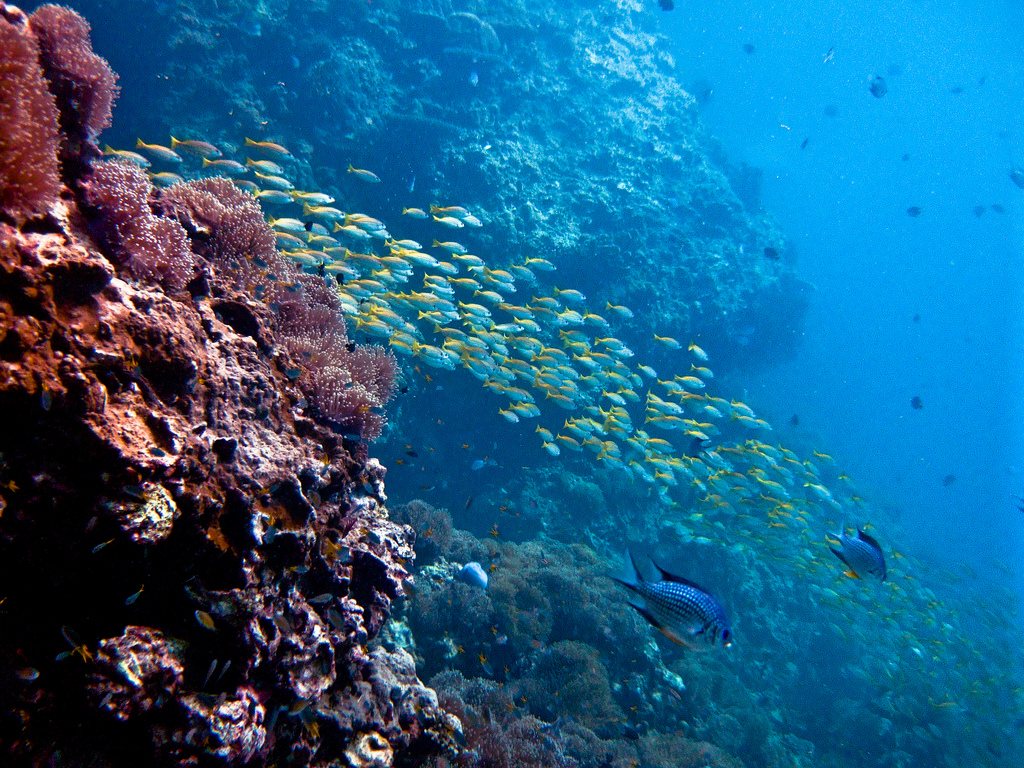
The two Bida islands are the staple of Phi Phi diving. PADI describes them as twin rocks south of Phi Phi Leh with enough sites to make two or three dives around one island without repeating an area. Bida Nok has the gentler profile, with steep walls, pinnacles and sandy patches where blue-spotted stingrays and resting leopard sharks turn up. Bida Nai has more boulders and swim-throughs and is known for barracuda and yellow snapper schools.
Phi Phi Shark Point and Maya Wall
Phi Phi Shark Point, also called Hin Bida, is the site most people mean when they ask about leopard sharks. Do not confuse it with Shark Point near Phuket, which is a different dive. Maya Wall runs along the outside of Maya Bay, so the sightseeing stop and the dive share the same cliffs. For the beach itself and its rules, see our guide to Maya Bay.
Who chooses the site?
Your boat captain and divemaster do. The GetYourGuide listing we checked says that sites are chosen each day from the weather, the sea state and recent sightings, and Blue View says the same about its trips. Ask for the plan at the briefing, but expect it to change.
Phi Phi Diving Wrecks and Deep Sites: Kled Gaeow, King Cruiser and Hin Daeng
Beyond the reefs, Phi Phi diving includes one wreck near the island, a famous ferry wreck on the way to Phuket and offshore pinnacles that need a longer boat ride. These are the sites where certification level matters most.
| Site | Depth | Notes |
|---|---|---|
| Kled Gaeow wreck | Deck at 26 m, wheelhouse at 14 m | A navy vessel scuttled in March 2014 off Phi Phi Don, about 47 m long |
| King Cruiser wreck | About 31 m | A ferry that sank in 1997 after hitting Anemone Reef, roughly 9 miles west of Phi Phi Don |
| Hin Daeng and Hin Muang | Drop-off to about 60 m | Far offshore pinnacles with a chance of manta rays and whale sharks |
Kled Gaeow wreck
PADI says the Thai authorities scuttled the Kled Gaeow in March 2014 and that it rests upright at 26 m with large compartments and plenty of fish. The sources disagree on the level it needs. PADI's blog says it suits all levels, while Scuba Diver Life recommends it for advanced divers. Open Water certification normally covers dives to 18 m and Advanced Open Water to 30 m, so a deck at 26 m is Advanced territory in practice. Blue View lists a local wreck trip at ฿3,300.
King Cruiser wreck
The King Cruiser ferry ran aground on Anemone Reef on 4 May 1997 and sank about four hours later, according to Diving Away. The wreck lies at about 31 m, roughly an hour and a half by boat from the island, and the site gives visibility from 5 to 30 m. It is a confirmed-diver site and is more often reached from Phuket. Phuket 101 says trips to this area leave Phuket every morning and take about 90 minutes.
Hin Daeng and Hin Muang
These offshore pinnacles are the big-animal sites. PADI describes them as mid-ocean drop-offs about an hour from the islands by speedboat, with manta rays, leopard sharks, grey reef sharks and whale sharks all possible. Scuba Diver Life puts Hin Daeng about 60 km offshore with a drop to 60 m and warns that depth control is essential. Plan them as a full day for advanced divers, and treat any wildlife as a bonus, not a promise.
Marine Life When Phi Phi Diving: Sharks, Turtles and Reef Fish
The marine life is the main reason to choose Phi Phi diving over snorkeling. The sources agree on a short list of animals, though none of them guarantees a sighting on any given day.
Leopard sharks and blacktip reef sharks
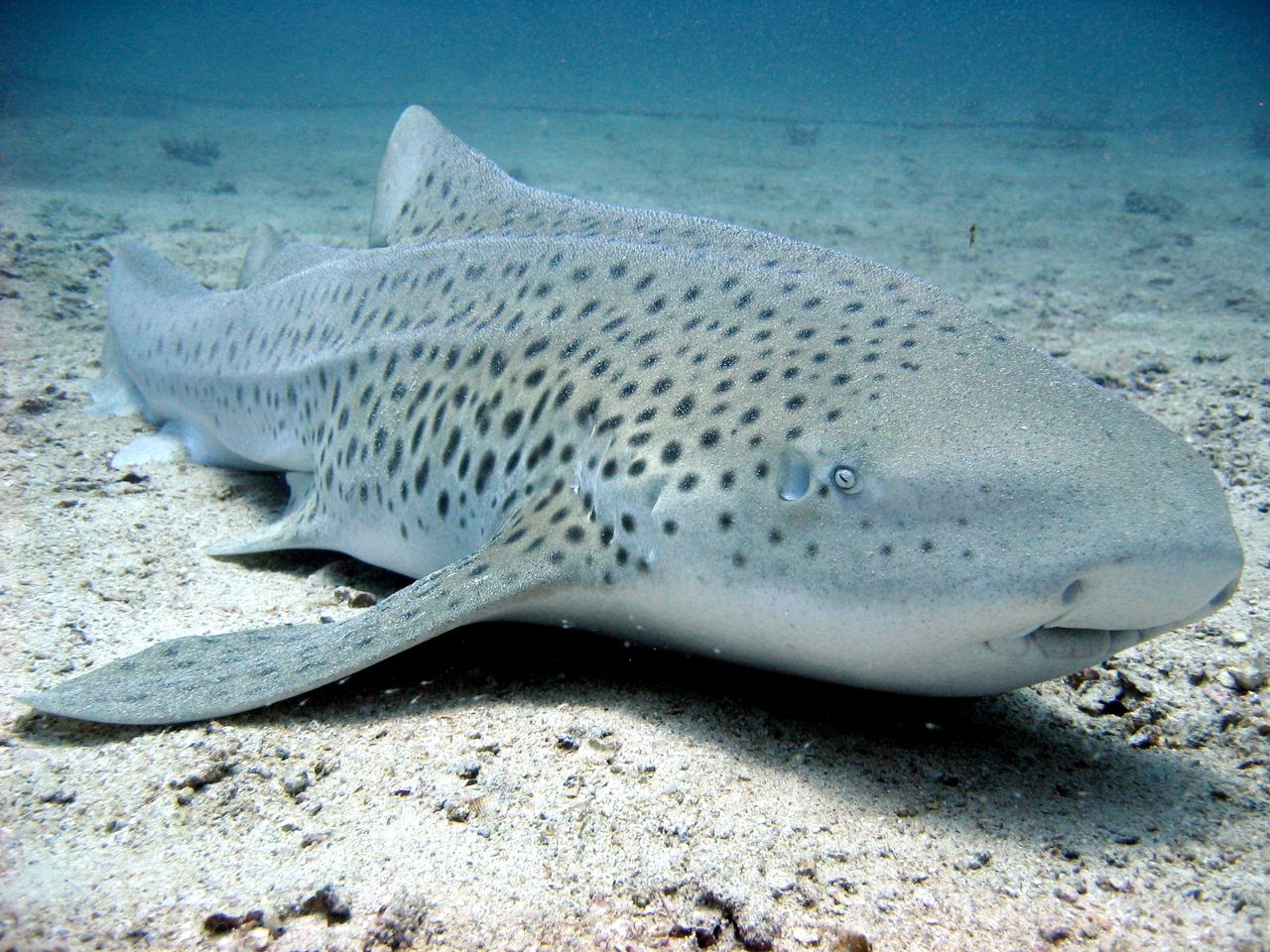
Leopard sharks are the headline. Scuba Diver Life reports many of them in the shallows at Hin Bida and occasional sightings on the sand at Bida Nok, and PADI also names them as regulars at Phi Phi Shark Point. Blacktip reef sharks patrol the shallows of Bida Nok and the north end of Maya Wall. Both species are harmless to divers who keep their distance and do not touch them.
Turtles, rays and reef life
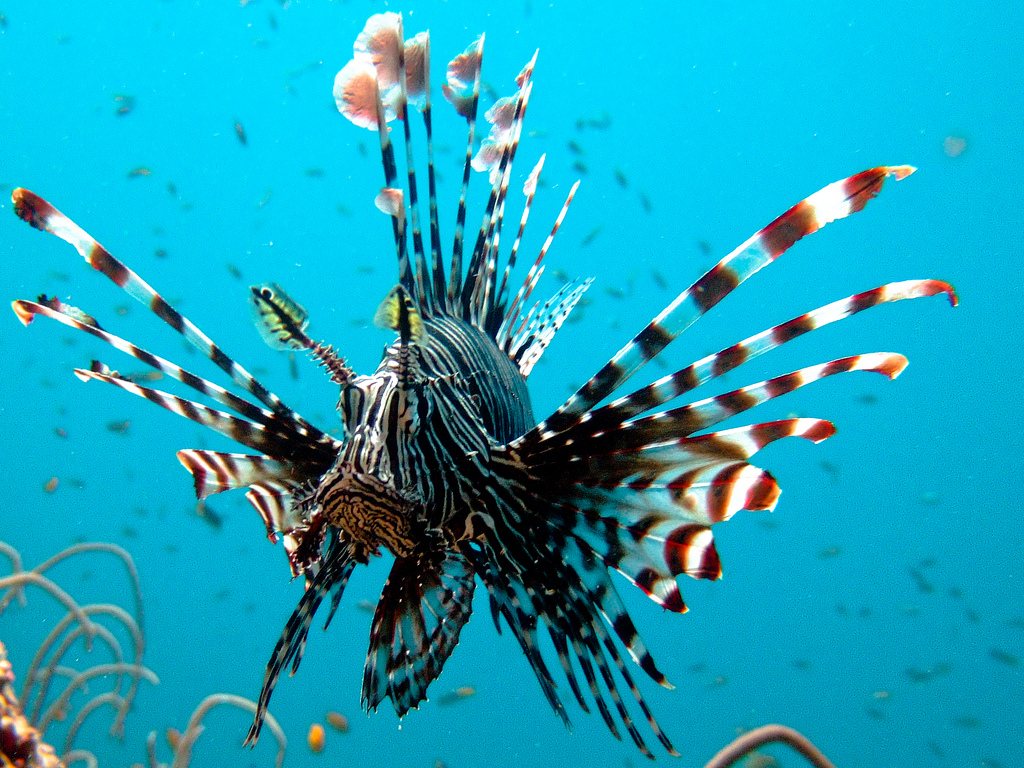
Hawksbill turtles are common. Scuba Diver Life names them at Bida Nai, and PADI says turtles appear on almost every dive at Malong Bay. The Blue View listing promises hawksbill turtles, blacktip reef sharks, clownfish and large schools of tropical fish on its beginner dive. Smaller finds include lionfish, scorpionfish, ghost pipefish, seahorses and moray eels, which suit slow, patient divers.
Whale sharks and manta rays
Scuba Diver Life lists whale sharks and manta rays as possible at the offshore pinnacles and gives February to April as the best window. The page gives no dates for individual sightings, so do not book a trip on the promise of one. If big animals matter to you, choose Hin Daeng and accept that it is a gamble.
Phi Phi Diving for Beginners: A First Dive From Phi Phi Don
A Discover Scuba trip is the easiest way into Phi Phi diving. You learn the basics in shallow water with an instructor, then dive a reef at a shallow depth, with no certification and no previous experience. The listing below is the one we checked on 26 October 2026.
From Phi Phi: PADI Discover Scuba Diving, 2 Dives
A small-group beginner trip with the PADI centre Blue View Divers. You practise skills in shallow water, then dive a reef to a maximum of 12 m, with a Thai lunch on board between the two dives.
Check on the listing before you book
- Price and start time for your date
- Morning or afternoon departure
- Instructor, gear, lunch and PADI eLearning included
Powered by GetYourGuide. Price, duration and availability depend on your date.
The listing is rated 4.9 out of 5 from 66 reviews and showed a price from about €104 per person on the French-language page we checked. It says the group size is two guests per instructor, the park fee of ฿600 is not included and an optional beach training session costs ฿1,200 extra.
How a Discover Scuba day works
Book and contact the school
The listing says you must contact Blue View by WhatsApp after booking, because the medical form and waivers cannot be completed on GetYourGuide. Do this at least a day ahead.
Finish the eLearning
The school sends a PADI eLearning code the day before. You can complete it on your phone and arrive ready to dive.
Meet at the pier
You meet about 15 minutes before departure at the Phi Phi pier, pay the park fee and board the boat.
Practise in shallow water
After a short ride to the site, you practise breathing, buoyancy and basic skills on a line near the surface.
Dive the reef
When you are ready, you descend with your instructor to a reef no deeper than 12 m. A second dive follows at a different site after lunch.
Who can join
The listing excludes children under 10, pregnant women, people with heart problems, people who have had recent surgery and people over 70. It also asks for a medical questionnaire. If you answer yes to any question, the school may ask for a doctor's clearance. You must stay at least one night on Phi Phi, and you must not fly within 18 hours of your dive. Morning trips return in time for onward travel to Phuket or Krabi, while afternoon trips return for sunset, according to the listing.
Discover Scuba or snorkeling?
Snorkeling costs a fraction of the price and needs no medical form, so it is the better choice if you only want to see the fish. Diving suits you if you want to be underwater with the animals for an hour at a time. Our guide to snorkeling in Phi Phi compares the best snorkel stops if you want to try both.
Phi Phi Diving Courses: Open Water, Advanced and Rescue
Phi Phi diving courses are popular because the water is warm, the sites are close and schools sit near the pier. The figures below come from two schools, and the course names are the standard PADI ones.
| Course | Length and detail | Source |
|---|---|---|
| Scuba Diver | 1 day, ฿9,500 | Blue View |
| Open Water Diver | 2 days at ฿13,500 at Blue View; about 3 days at The Adventure Club, with 4 open water dives and 5 confined water dives | Blue View, The Adventure Club |
| Advanced Open Water | 2 days, ฿11,500 | Blue View |
| Rescue Diver | 2 days, ฿12,900 | Blue View |
| Divemaster | From ฿36,000 | Blue View |
Open Water Diver
This is the entry certification. The Adventure Club lists a minimum age of 10, no prior experience and a health declaration form, and asks for a physician's letter if you answer yes to any question or are over 65. It also says you must stay on Phi Phi and check in at the school the day before. The course price covers rental gear, lunch, refreshments and a dive computer, while the marine park fee of about US$24 is paid on site.
Advanced Open Water and beyond
The Advanced Open Water course extends your depth limit to 30 m, which opens the wreck and the deeper walls. It is a good next step after your first certification, and it is commonly done in two days. Rescue and Divemaster courses are aimed at people who plan to dive regularly or work in the industry.
Where to sleep during a course
Choose a room within walking distance of the school, because Phi Phi Don has no cars and the schools ask you to arrive the day before. Our guide to where to stay in Phi Phi compares the areas, and our Koh Phi Phi guide explains the layout of the island.
Phi Phi Diving Prices in 2026
These are the published Phi Phi diving prices of one well-known school, Blue View Divers, as listed on its website on 26 October 2026. They show the sale price. The school's promotional banner listed somewhat lower figures, so you may find a better price when you ask. Marine park fees are charged on top.
| Dive product | Length | Price |
|---|---|---|
| 2 fun dives, certified divers | 5 hours | ฿2,800 |
| 4-dive package | 2 days | ฿5,400 |
| 6-dive package | 3 days | ฿7,800 |
| Night dive | 1 day | ฿1,900 |
| Local wreck trip | 1 day | ฿3,300 |
| Discover Scuba | 5 hours | ฿3,800 |
Packages lower the price per dive. Two fun dives work out at ฿1,400 each, the four-dive package at ฿1,350 and the six-dive package at ฿1,300. If you plan three days of diving, the package saves about ฿600 over booking pairs of dives.
What is and is not included
The GetYourGuide Discover Scuba listing includes the instructor, equipment rental, lunch, fruit, water, tea and coffee, basic Thai insurance and the PADI eLearning. It leaves out the park fee, the photo service, hotel pick-up and transfers from the mainland. A direct booking with a school will look similar, so ask what the quoted price covers before you compare.
- Park fee: ฿600 on the GetYourGuide listing, about US$24 on The Adventure Club's course page.
- Photos and video, which most schools charge for separately.
- Transfers from the mainland, since you must sleep on Phi Phi.
- Equipment you want to own, such as a mask that fits well.
Best Time for Phi Phi Diving: Season, Visibility and Water Temperature
The best time for Phi Phi diving is February to April, according to Scuba Diver Life. It describes those months as the warmest and calmest, with fewer tourists and the best chance of whale sharks and manta rays. The table shows how the rest of the year compares.
| Months | Conditions | Diving |
|---|---|---|
| November to January | Northeast monsoon; water about 27 °C in December and January | Dive mainly the western sides of the islands |
| February to April | Warmest and calmest; water about 29 to 30 °C | Best season, with fewer tourists |
| May | Water still warm; the southwest monsoon starts late in the month | Conditions get less predictable |
| June to October | Southwest monsoon; rough seas and big swells | Visibility falls by about 25% |
The same source says it would be very rare for a shop to cancel a dive for weather, but schools still pick the site each day according to the sea. If you travel in the wet season, choose a booking with free cancellation. For the season around the island as a whole, see our guide to the best time to visit Phi Phi.
How to Choose a Phi Phi Diving School
Phi Phi diving has many schools to choose from, and the price list is only one reason to pick one. These checks separate a good day from a rushed one.
- Group size. The Discover Scuba listing promises two guests per instructor, and Blue View caps fun dives at four divers per group.
- Dive time. Blue View says it limits dives to 60 minutes with a 60-minute break between them.
- Environmental practice. Ask whether the school is a Green Fins member. Blue View says it has been one since 2006.
- Medical process. A good school asks for a medical form before the trip and explains what happens if you answer yes.
- Location. Schools near Ton Sai Pier save time. The Adventure Club says it is a 3-minute walk from the pier.
- What the price covers. Ask about park fees, photos, equipment and insurance.
Book Phi Phi Diving Direct or Through GetYourGuide?
| Direct with the school | GetYourGuide | |
|---|---|---|
| Price | Published price list, often with multi-dive packages | Single listing, price shown for your date |
| Cancellation | Set by the school; The Adventure Club says 48 hours' notice | Free up to 24 hours before on the listing above |
| Paperwork | Handled by the school | Still done with the school by WhatsApp |
| Best for | Courses and multi-day packages | A single first dive you want to lock in |
For a single first dive, the listing above is simple to book and cancel. For a course or a package of several days, a direct booking lets you talk through the schedule.
Phi Phi Diving Rules, Safety and What to Bring
The rules for Phi Phi diving are the usual recreational ones, plus a few that apply to the national park. Your school will brief you, but it helps to know them in advance.
- Do not fly within 18 hours of your dive, as the Discover Scuba listing states.
- Do not dive after alcohol or drugs, and do not touch marine animals.
- Use sunscreen free of the four filters banned in Thai national parks, which are oxybenzone, octinoxate, 4MBC and butylparaben, according to Tisland Travel. The listing also asks for biodegradable sunscreen.
- Take your rubbish back to the boat.
- Photography rules, including those for underwater cameras, are explained at check-in.
What to bring
- Swimwear and a towel.
- Cash for the park fee.
- A hair tie if you have long hair.
- Seasickness precautions, since the boat ride can be bumpy.
- Your logbook and certification card if you are already certified.
If you are arriving from Phuket or Krabi, our guides to getting from Phuket to Phi Phi and getting from Krabi to Phi Phi cover the ferries. For other trips on the same days, see our list of things to do in Phi Phi and our guide to the Phi Phi island tour options.
Phi Phi Diving FAQ
Is Phi Phi diving good for beginners and experts?
Yes. The sites are close to the pier, the water is warm and the reefs hold leopard sharks, turtles and reef fish. The deepest sites need Advanced Open Water.
What is the best time of year for Phi Phi diving?
February to April, when the water is warmest and the sea is calmest. Visibility falls by about 25% in the southwest monsoon, from June to October.
Can beginners try Phi Phi diving?
Yes. A Discover Scuba session takes you to a maximum depth of 12 m with an instructor. Children under 10 cannot join the listing we checked.
How much does Phi Phi diving cost for a first dive?
Blue View lists ฿3,800, and the GetYourGuide listing shows from about €104. The park fee is extra and was quoted at ฿600.
How much is the PADI Open Water course?
Blue View lists ฿13,500 for two days. The Adventure Club describes about three days. Park fees are extra.
What can you see on Phi Phi diving trips?
Leopard sharks, blacktip reef sharks, hawksbill turtles, lionfish, stingrays, moray eels and schools of fish. Whale sharks and manta rays are possible offshore, though never guaranteed.
Do you need to stay on Phi Phi to dive?
Yes, for the scheduled trips we checked. The Discover Scuba listing and The Adventure Club both ask you to stay at least one night on the island.
How long after diving can you fly?
The Discover Scuba listing asks you not to fly within 18 hours of your dive. Plan an extra night if you have an early flight.
Ready for your first dive?
Check dates, start times and the price for the Discover Scuba trip from Phi Phi, with two reef dives and lunch on board.
Photo credits: Hawksbill turtle by Ilse Reijs and Jan-Noud Hutten (CC BY 2.0, Wikimedia Commons); Reef fish by Ilse Reijs and Jan-Noud Hutten (CC BY 2.0, Wikimedia Commons); Lionfish by Ilse Reijs and Jan-Noud Hutten (CC BY 2.0, Wikimedia Commons); Leopard shark by Sigmund (CC BY 2.0, Wikimedia Commons). Tour photos: GetYourGuide.
Disclosure: InsideSamui may earn a commission when you book through some of the links on this page, at no extra cost to you. This guide is compiled from published park, operator and traveler information, checked on 26 October 2026. We have not run these trips ourselves for this page. Prices, schedules, fees and rules around Koh Phi Phi change often, so confirm with your operator before you travel. Tour bookings are handled by GetYourGuide.