

Phra Nang Beach is often called one of the most beautiful beaches in Thailand. It sits at the tip of the Railay peninsula, a curve of white sand between towering limestone cliffs, with clear water, views of the karst islands offshore and the famous Princess Cave shrine at its eastern end. It is also known as Phra Nang Cave Beach or Tham Phra Nang.
This guide explains how to get there from Ao Nang, Railay and Krabi Town, what to see, when to go to avoid the crowds and where to stay nearby.
In short: take a longtail from Ao Nang to Railay West (about 15 minutes), then walk 10 to 15 minutes along the shaded path to Phra Nang Beach. Go early morning or late afternoon, and visit the Princess Cave shrine at the end of the beach.
- Location
- Tip of Railay peninsula
- Access
- Boat, then a short walk
- Highlight
- Princess Cave shrine
- Swimming
- Excellent in season
- Best time
- Early morning
How to Get to Phra Nang Beach
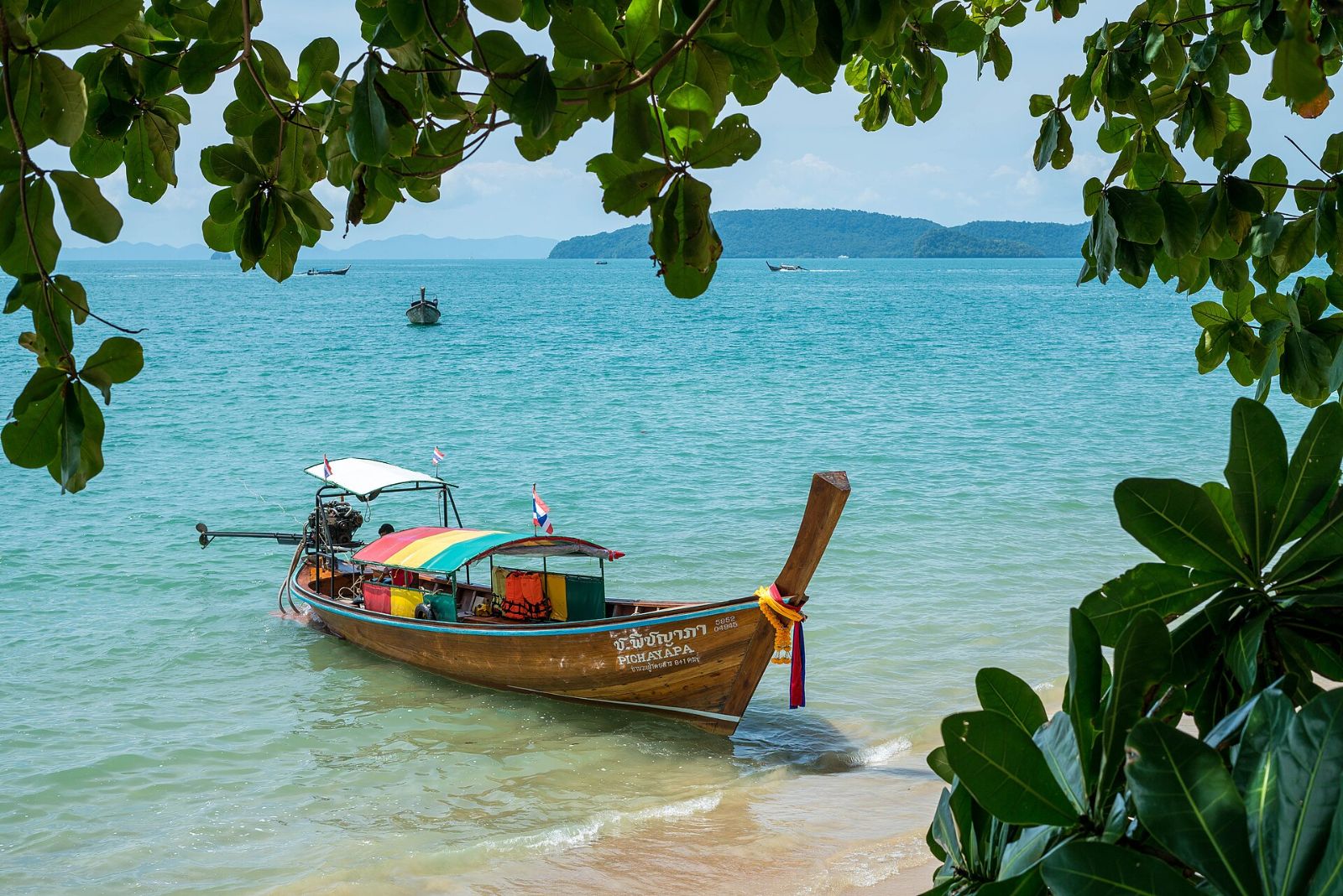
There is no road. From Ao Nang, take a longtail to Railay West and walk across to the path that runs along the cliffs from Railay East to Phra Nang Beach. From Krabi Town, longtails land at Railay East, a short walk away. Island tours from Ao Nang also stop here, and in calm weather you can kayak around the headland from Railay West. See Ao Nang to Railay Beach for boat details.
The Princess Cave Shrine
At the eastern end of Phra Nang Beach, a small cave in the cliff holds a shrine to Phra Nang, a sea princess honoured by local fishermen. It is famous for its many carved wooden offerings left by people asking for good fortune and fertility. Some visitors find it surprising; it is a sacred place for locals, so look respectfully and do not touch or move the offerings.
Swimming and Snorkelling
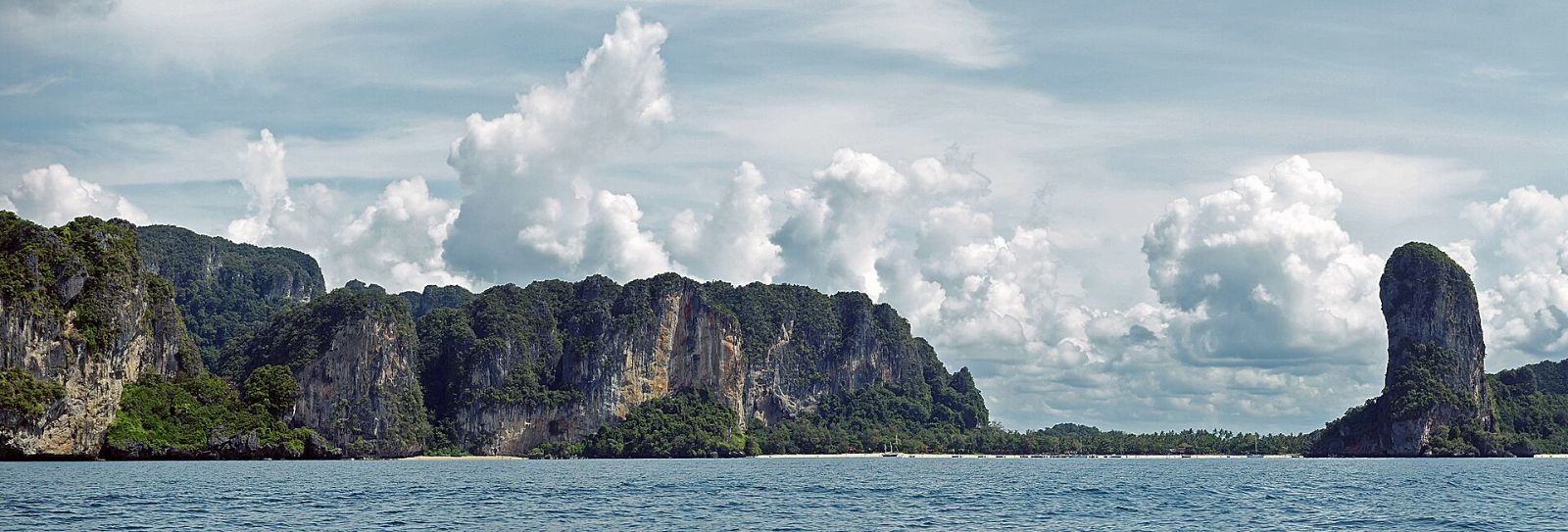
In the dry season, the water at Phra Nang Beach is calm and clear, among the best for swimming in Krabi. The rocks at both ends have small fish, and snorkellers can see more around the karst islets offshore when the sea is flat. In the monsoon months, waves can make swimming unsafe; follow local advice.
Views of Happy Island and the Stacks
Offshore, limestone stacks and the island known as Happy Island (Koh Rang Nok) rise from the sea. At low tide you may be able to wade toward the sandbar in calm conditions, but be careful of tides and currents. Kayaks can be rented on Railay West to paddle around them.
When to Visit Phra Nang Beach
Phra Nang Beach is busiest from late morning to mid-afternoon, when island tours and longtails from Ao Nang arrive. Arrive before 9 am or stay after 4 pm to enjoy it quietly. The dry season, November to April, has the calmest water.
| Time | Crowds | Notes |
|---|---|---|
| Before 9 am | Quiet | Best light and swimming |
| 10 am–3 pm | Busy | Island tours stop here |
| After 4 pm | Quieter | Golden light; check last boat if day-tripping |
The Railay Viewpoint and Lagoon
On the path between Railay East and Phra Nang Beach, a steep, muddy trail climbs to a viewpoint over both sides of the peninsula and continues by ropes down to a hidden lagoon. It is a real scramble: proper shoes, dry weather and caution are essential, and it is not suitable for children.
Be careful
Many visitors stop at the viewpoint. The descent to the lagoon is slippery and uses fixed ropes.
Where to Stay Near Phra Nang Beach
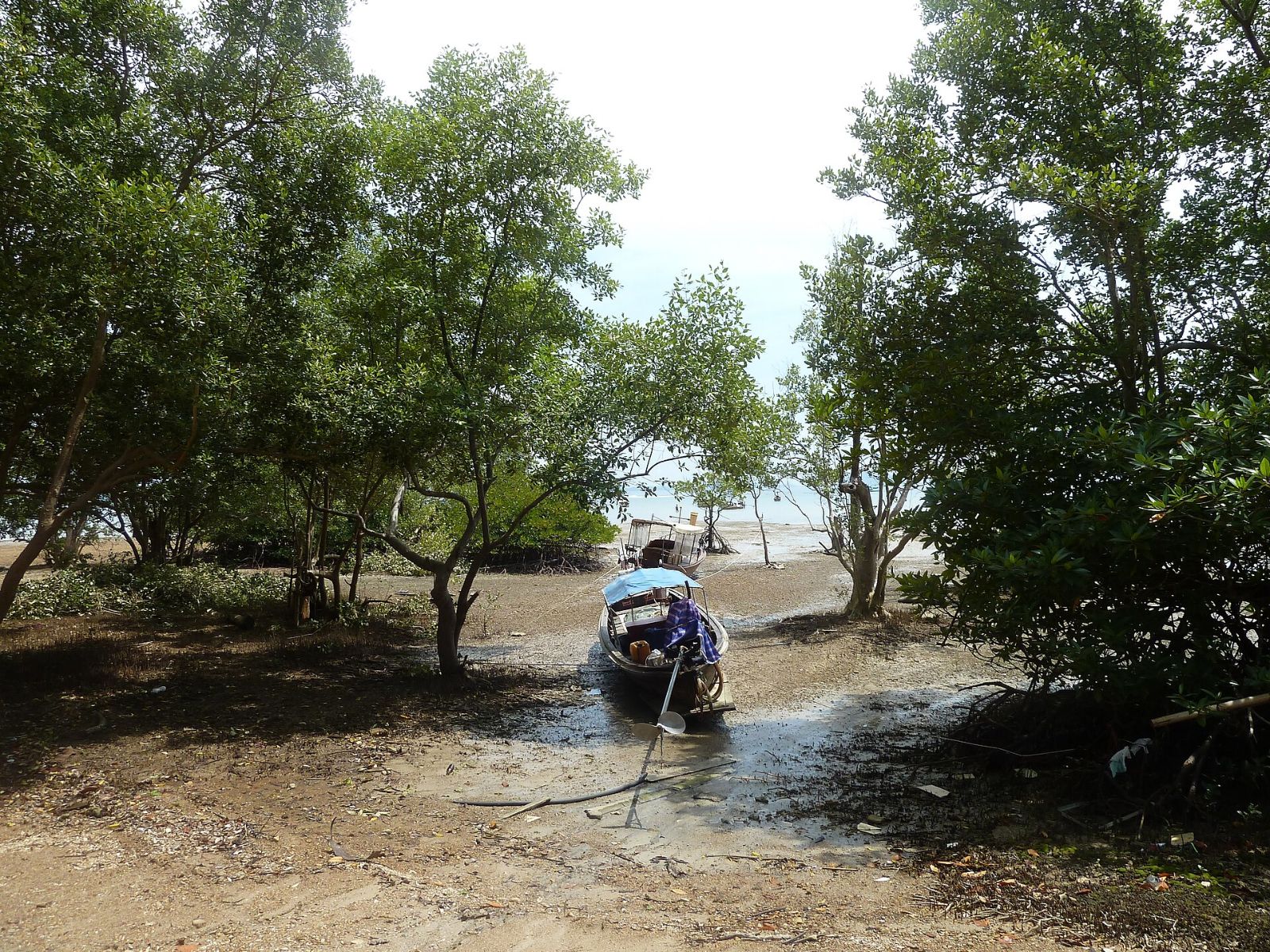
The only resort directly on Phra Nang Beach is Rayavadee. Many more hotels are a short walk away on Railay West and East. Staying on the peninsula lets you visit early and late, when the beach is at its best. See where to stay in Railay.
Compare Railay hotels
Stay steps from Phra Nang and enjoy it before the crowds.
Practical Tips
- Pack light and wear sandals you can wade in.
- Bring water and snacks; vendors on longtails sell basics.
- Keep food away from the monkeys on the path.
- Use reef-safe sunscreen.
- Check the time of the last longtail back to Ao Nang.
The Legend of Phra Nang
Local stories say Phra Nang was a princess, or a sea goddess, whose spirit lives in the cave and protects fishermen. Longtail captains still leave offerings before going to sea, and visitors come to ask for luck and children. The shrine gives Phra Nang Beach its name and a sense of place that sets it apart from other beaches in Krabi.
A Morning at Phra Nang Beach
| Time | Plan |
|---|---|
| 07:30 | Longtail from Ao Nang to Railay West |
| 08:00 | Walk the cliff path to Phra Nang Beach |
| 08:15 | Swim in calm, empty water |
| 09:30 | Visit the Princess Cave shrine |
| 10:00 | Viewpoint (if dry) or kayak to the stacks |
| 11:30 | Lunch on Railay walkway as the crowds arrive |
Phra Nang Beach with Children
With shallow water close to the sand, Phra Nang Beach is good for families in the dry season. The walk from Railay is flat and shaded. Keep children away from the viewpoint trail, and watch for monkeys on the path.
Climbing Around Phra Nang
The cliffs above Phra Nang Beach are part of Railay’s famous climbing area. Watching climbers on the overhangs is part of the scene; if you want to try, book a beginner session with a Railay climbing school.
Photography
- Shoot the cliffs and stacks early, before the boats arrive.
- The view back along the beach from the water is the classic shot.
- Be respectful photographing the shrine.
Responsible Visiting
Phra Nang Beach lies within a national park. Take rubbish back with you, do not climb on the shrine area, and avoid single-use plastic. A few simple habits help keep Phra Nang Beach as beautiful as its reputation.
Phra Nang vs Other Krabi Beaches
| Beach | Why go | Why not |
|---|---|---|
| Phra Nang | Cliffs, cave shrine, best swimming | Busy late morning |
| Railay West | Sunsets, easy boat landing | Boats along the shore |
| Nopparat Thara | Long, calm, quiet | Less dramatic scenery |
| Ao Nang | Convenient | Average sand and water |
For a single beach day in Krabi, Phra Nang is the one most visitors remember. Combine it with Railay West for the sunset and you have seen the peninsula at its best.
Seasons
The dry season from November to April brings calm water and blue skies. From May to October, the south-west monsoon can bring waves, and longtail crossings from Ao Nang may be rougher; boats from Krabi Town to Railay East are often the calmer route in that period.
- Peak: December–February
- Hot and calm: March–April
- Monsoon: May–October
What to Bring to Phra Nang Beach
- Swimwear, towel and a sarong to cover up on the path
- Reef-safe sunscreen, hat and sunglasses
- Water shoes for the rocks at either end
- Dry bag for the longtail ride
- Cash for snacks, drinks and the boat back
- A small bag that closes, because of the monkeys
Food and drinks are sold from longtail boats moored at the beach and on the Railay walkway, but prices are higher than on the mainland. Shade is limited after mid-morning, so arrive early or bring a beach umbrella if you plan to stay all day.
Safety
Swim only in calm conditions and stay away from the boat lanes at the ends of the beach. Rocks can be sharp at low tide.
Accessibility
The walk from Railay East is flat and paved, but the longtail landings involve wading. Travellers with limited mobility may prefer boats from Krabi Town to Railay East, where landings can be easier at high tide.
Phra Nang Beach: FAQ
How do I get to Phra Nang Beach?
By longtail to Railay from Ao Nang or Krabi Town, then a short walk, or on an island tour.
Is Phra Nang Beach the same as Railay?
It is on the same peninsula, a short walk from Railay West and East.
Can you swim at Phra Nang Beach?
Yes, in calm conditions; it is one of the best swimming beaches in Krabi.
Is there an entrance fee?
Some national park fees may apply to visitors arriving on tours; check locally.
Sources: Railay Beach (Wikipedia) and 12Go listings, checked on 13 November 2026.
Photos: Stefan Fussan (CC BY-SA 4.0, Wikimedia Commons); Ijasasap (CC BY-SA 4.0, Wikimedia Commons); kallerna (CC BY-SA 3.0, Wikimedia Commons); deror_avi (CC BY-SA 3.0, Wikimedia Commons).
Disclosure: InsideSamui may earn a commission when you book through some of the links on this page, at no extra cost to you. Prices and timetables quoted here were checked on 13 November 2026; they change by season and operator, so confirm when you book.